How to Use a Hygrometer to Monitor Humidity and Prevent Mold in Newport Beach Homes
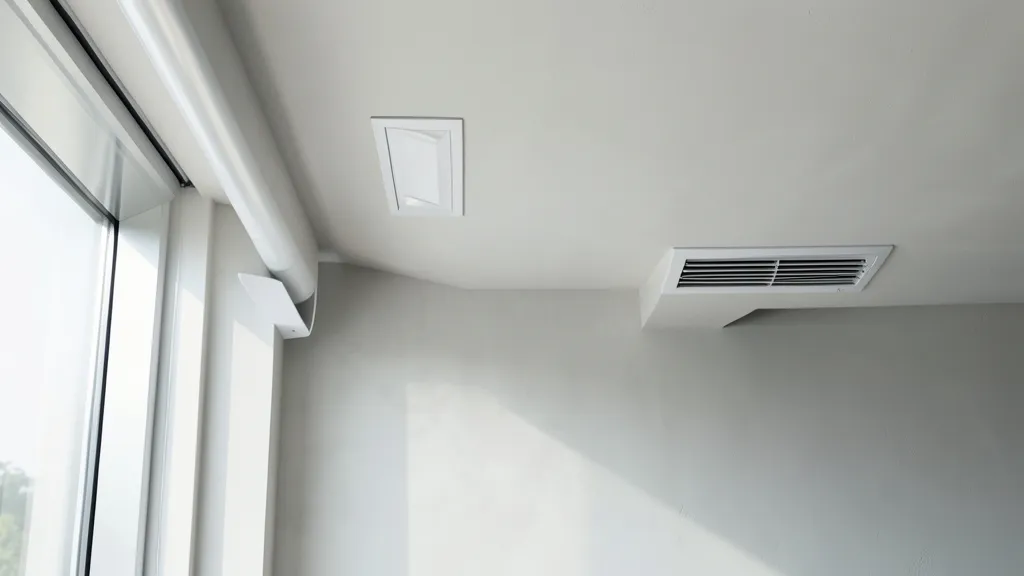
Coastal humidity in Orange County can silently fuel mold growth in hidden corners of your home. We use hygrometers daily to catch rising moisture before it turns into a remediation project. Here’s how to do it right yourself.
Why Humidity Control Stops Mold Before It Starts
Mold spores thrive in relative humidity above 60%. In our climate, indoor levels often spike after foggy mornings or winter rains.
Without monitoring, basements in Costa Mesa or attics in Irvine can hit 70%+ humidity—ideal for colonization on drywall, wood, or insulation.
Bathrooms, crawl spaces, and under-sink cabinets often exceed safe humidity. Ignoring them risks structural damage and health issues.
Hygrometer Types: Which One Fits Your Needs
Mechanical hygrometers use human hair or nylon to measure moisture. They’re durable but less precise in extreme coastal humidity swings.
Digital hygrometers with probes offer real-time readings and data logging—critical for tracking attic or crawl space fluctuations in Huntington Beach homes.
| Type | Accuracy | Best For | Cost Factors |
|---|---|---|---|
| Mechanical | ±5-10% | Whole-home checks | Durability, no batteries |
| Digital (Basic) | ±3-5% | Room-level monitoring | Battery life, display |
| Digital (Probe) | ±1-2% | Hidden spaces (crawl spaces, attics) | Probe length, data logging |
| Smart Wi-Fi | ±2-3% | Remote tracking | App integration, alerts |
Where to Place Hygrometers in Your Home
Prioritize areas with poor airflow: basements, attics, and under sinks. In Newport Beach, garages and laundry rooms also need attention due to marine layer moisture.
Avoid direct sunlight or HVAC vents—these skew readings. For crawl spaces, use a probe hygrometer to reach tight, damp zones.
Critical Monitoring Zones
- Bathrooms (especially without exhaust fans)
- Kitchens (under sinks, near dishwashers)
- Crawl spaces and basements
- Attics (near vents and insulation)
- Closets with exterior walls
- Garages and storage areas
Ideal Humidity Ranges for Mold Prevention
The EPA recommends keeping indoor humidity between 30-50%. Below 30% can cause drywall cracks; above 60% invites mold and dust mites.
In Laguna Beach’s coastal homes, aim for the lower end (30-40%) during humid seasons. Use dehumidifiers in problem areas like crawl spaces.
Calibrating Your Hygrometer for Accuracy
Test accuracy by placing the device in a sealed bag with a damp paper towel for 6-8 hours. It should read ~95% RH. If not, recalibrate or replace.
For digital models, use the ice-water method: submerge the probe in ice water and adjust until it reads 0°C (32°F) at 100% RH.
When to Call in the Pros
If readings consistently exceed 60% despite dehumidifiers, hidden water intrusion may be the culprit. We often find leaks in Irvine tract homes’ plumbing or roofing.
Visible mold or musty odors mean it’s time for professional mold inspection and testing. Early intervention prevents costly remediation in attics or crawl spaces.
Hygrometers help you monitor, but mold testing identifies species and spore counts. Pair both for full protection.
Long-Term Humidity Control Strategies
Install exhaust fans in bathrooms and kitchens. In older Huntington Beach homes, upgrade ventilation to handle coastal moisture loads.
Use dehumidifiers in basements or crawl spaces, and consider a whole-house system for severe cases. Regularly check and empty water collection tanks.
How to Use a Hygrometer to Track Humidity
Follow these steps to get accurate, actionable readings.
- 1Choose the Right Hygrometer
For general use, a digital hygrometer with ±3% accuracy suffices. For crawl spaces or attics, opt for a probe model.
- 2Place It Correctly
Position the device 3-5 feet above the floor, away from direct sunlight, drafts, or HVAC vents. In crawl spaces, use the probe to reach the center of the area.
- 3Take Multiple Readings
Check humidity at different times of day and in various rooms. Note fluctuations after rain or high-tide events common in Newport Beach.
- 4Record and Analyze
Log readings weekly. If levels exceed 60% consistently, investigate moisture sources like leaks or condensation.
- 5Act on the Data
Use dehumidifiers, improve ventilation, or address water intrusion. If mold is present, schedule a professional mold inspection.
Frequently Asked Questions
How often should I check my hygrometer in Newport Beach?
Weekly checks are ideal, especially during humid seasons (spring/fall). After heavy rains or fog, check daily in problem areas like basements or attics.
Can a hygrometer detect mold?
No—it only measures humidity. Mold testing is required to confirm its presence. However, consistently high readings (above 60%) signal a high risk of mold growth.
What’s a good hygrometer for a crawl space?
A digital probe hygrometer with data logging is best. It can reach tight spaces and track fluctuations over time, which is critical for crawl space mold prevention.
Why is my Newport Beach home so humid?
Coastal climate, poor ventilation, and water intrusion (from leaks or high water tables) are common culprits. Older homes in Costa Mesa or Irvine may also lack vapor barriers.
Do I need a hygrometer if I have a smart thermostat?
Smart thermostats often include humidity sensors, but they may not cover hidden areas like crawl spaces or attics. Use a dedicated hygrometer for comprehensive monitoring.
How do I lower humidity in my attic?
Improve ventilation with soffit or ridge vents, install a dehumidifier, and ensure your roof and insulation are intact. In Laguna Beach, radiant barriers can also help reduce condensation.