Why Mold Remediation Isn’t Complete Without Clearance Testing in Newport Beach
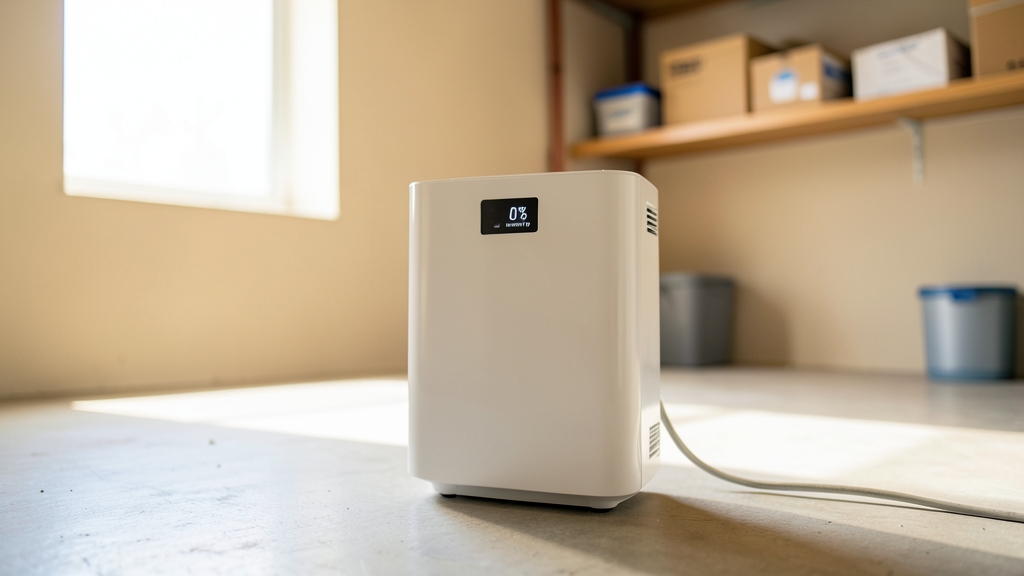
Mold remediation removes visible growth, but without clearance testing, you can’t be sure the job is done. In coastal areas like ours, lingering spores can regrow within days if moisture persists. We always verify with post-remediation testing to confirm your property is safe.
What Is Mold Clearance Testing?
Clearance testing is the final step in professional mold remediation. It involves air and surface sampling to confirm mold spores are at safe, background levels.
Unlike a visual inspection, it detects microscopic spores that could trigger allergies or further growth. This step is non-negotiable for health and property value.
Why Newport Beach Homes Need It
Our coastal climate means high humidity and occasional water intrusion—perfect conditions for mold to return. Even a small oversight can lead to recurrence.
Clearance testing ensures remediation addressed the root cause, not just the visible problem. It’s especially critical in attics, crawl spaces, and basements where moisture lingers.
Mold behind drywall or under flooring can go undetected without testing. Post-remediation verification is the only way to confirm it’s gone.
How Clearance Testing Works
We use spore trap analysis, the industry standard, to collect airborne spores. Samples are sent to an accredited lab for counting and identification.
Surface testing may also be performed on walls, HVAC systems, or contents. Results are compared to outdoor baseline levels to determine safety.
Clearance Testing vs. Initial Mold Testing
Initial testing identifies the type and extent of mold before remediation. Clearance testing verifies the remediation was successful.
| Purpose | Timing | Focus |
|---|---|---|
| Identify mold presence and type | Before remediation | Type, concentration, and source |
| Verify remediation success | After remediation | Spores at safe levels |
| Determine scope of work | Pre-remediation | Contamination boundaries |
| Confirm safety for reoccupancy | Post-remediation | Indoor vs. outdoor spore comparison |
What Happens If You Skip Clearance Testing?
Without verification, you risk re-exposure to mold spores. This can lead to health issues like respiratory problems, headaches, or skin irritation.
Mold can also continue damaging structural materials, leading to costly repairs in areas like Costa Mesa or Irvine. Clearance testing protects your investment.
Individuals with allergies, asthma, or immune disorders are especially vulnerable. Clearance testing ensures their safety.
The Clearance Testing Process in Detail
First, we visually inspect the remediated area to ensure it’s dry and free of dust. This step confirms the physical work is complete.
Next, we set up air sampling pumps in multiple locations, including control areas. Samples are collected over a set time to capture accurate spore counts.
Surface samples may be taken using tape lifts or swabs. These are analyzed alongside air samples for a comprehensive assessment.
How Long Does It Take to Get Results?
Lab analysis typically takes 24–48 hours. Rush services may be available for urgent cases, such as commercial properties in Huntington Beach or Laguna Beach.
Once results are in, we provide a detailed report. If spores are elevated, we’ll recommend corrective actions before issuing clearance.
When Is Clearance Testing Required?
It’s always required after professional remediation. For real estate transactions, buyers or lenders may demand it to confirm a property is mold-free.
Landlords and property managers in Newport Beach often require clearance testing before tenants move back in. It’s also standard for commercial mold remediation.
Situations Requiring Clearance Testing
- After professional mold remediation
- Before selling or buying a property
- Prior to tenant reoccupancy
- For commercial or industrial spaces
- Following water damage restoration
How to Prepare for Clearance Testing
A few simple steps ensure accurate results.
- 1Complete Remediation First
All mold removal, cleaning, and drying must be finished before testing. No further work should occur during sampling.
- 2Avoid Disturbing the Area
Keep HVAC systems off and minimize foot traffic in the tested space for at least 24 hours prior.
- 3Clear the Space
Remove pets, people, and any items that could interfere with air quality, such as cleaning products or air fresheners.
- 4Provide Access
Ensure our team can reach all areas, including attics, crawl spaces, or basements. Locked rooms or blocked areas delay the process.
- 5Review the Report
Once results are in, we’ll walk you through the findings and next steps. Clearance is only issued if spores are at safe levels.
Frequently Asked Questions
Is clearance testing included in mold remediation costs?
Clearance testing is typically a separate service, as it requires lab analysis and independent verification. Costs vary based on the size of the property and number of samples. Request a quote for an accurate estimate.
Can I do clearance testing myself?
DIY test kits exist, but they lack the precision of professional equipment and lab analysis. For legal or real estate purposes, third-party testing by an inspector is required.
What if my property fails clearance testing?
We’ll identify the source of the remaining spores or moisture and perform additional remediation. This might involve re-cleaning surfaces, improving ventilation, or addressing hidden water intrusion.
How often should I test for mold after remediation?
If clearance testing passes, no further testing is needed unless you notice new signs of mold or water damage. For peace of mind, some homeowners in high-risk areas like Newport Beach retest annually.
Does clearance testing cover all types of mold?
Yes, spore trap analysis detects a wide range of mold types, including common indoor species like Aspergillus, Penicillium, and Stachybotrys (black mold). The lab report will specify which spores were found and at what levels.
Is clearance testing required for small mold problems?
Even small mold issues can spread if not fully resolved. Clearance testing is the only way to confirm the problem is gone, especially in humid climates. For minor cases, a visual inspection may suffice, but testing is always recommended.